
When a Small Boiler Leak Isn’t a Small Problem
How Local Oversight in Manchester, NH Prevented Bigger Damage
In Manchester, New Hampshire, most apartment buildings don’t whisper when something’s wrong. They hint. A faint drip. A little oxidation on a pipe. A boiler that’s still working, but not quite as confidently as it did yesterday.
That’s exactly how a recent issue started at one of the Manchester properties we manage.
There was no flooding. No loss of heat. No frantic tenant calls in the middle of the night. Just a subtle sign that something wasn’t right. And that’s often the most dangerous moment, because it’s easy to ignore.
We didn’t.

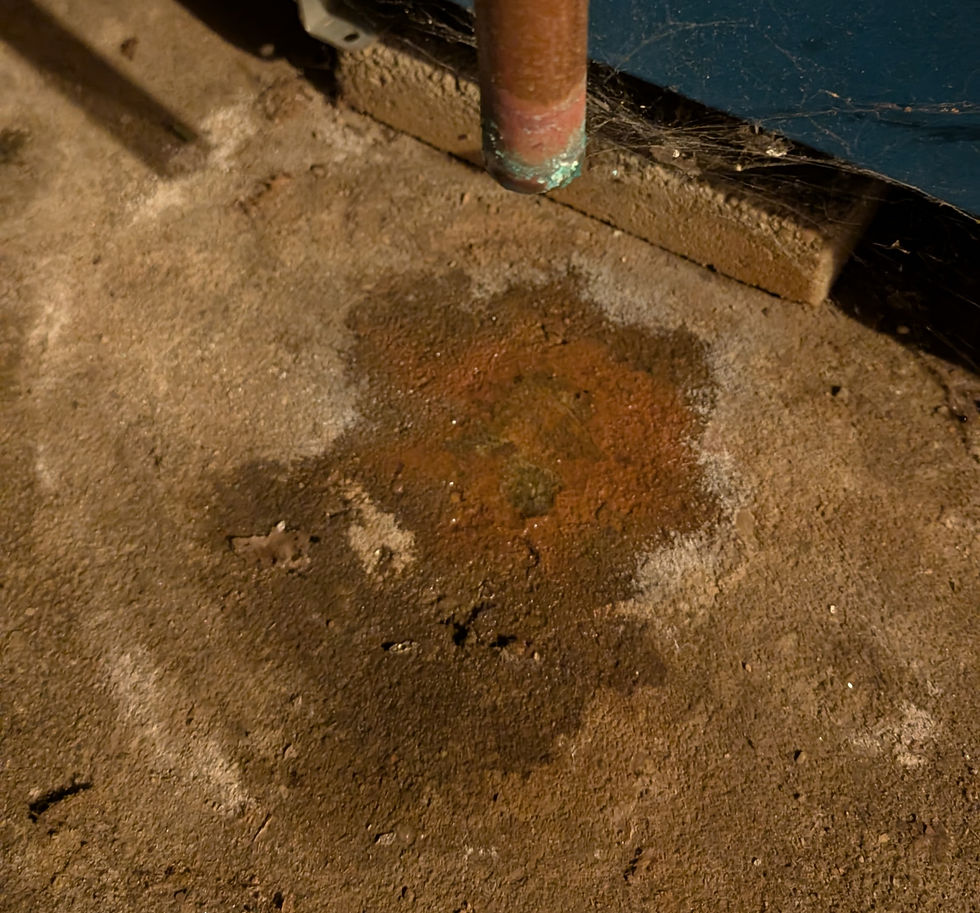
During a routine site visit, our team noticed light moisture forming near a side copper pipe on the boiler. The system was still operational. Pressure was normal. Heat was steady. But the pipe showed early oxidation and a slow, localized leak beginning to form at a joint. The kind of issue that looks harmless until it isn’t.
This is where local oversight matters.
Because we’re physically present in Manchester and regularly walk these buildings, we’re able to catch problems in their early stages. We don’t rely solely on tenant reports or dashboard alerts. We look, listen, and notice when something feels slightly off.
Instead of waiting for the leak to worsen, we documented the condition immediately, took photos, and coordinated with the appropriate contractor while the situation was still controlled. The repair was scheduled before the leak could spread, before corrosion could compromise nearby components, and before water had any chance to damage surrounding infrastructure.
Just as importantly, we kept the owner informed with clear, factual updates. No alarmist language. No rushed decisions. Just a calm explanation of what we saw, why it mattered, and how we were addressing it.
That early intervention prevented what could have become a much larger problem: water damage, emergency repairs, tenant disruption, and significantly higher costs. Instead, it became a routine fix handled on our terms, not on a crisis timeline.
In cities like Manchester, where many buildings are older and systems have seen decades of winters, this kind of hands-on attention isn’t optional. It’s the difference between proactive management and reactive damage control.
And it’s exactly why local presence isn’t just a selling point. It’s protection.
What We Found During a Routine Check
During a routine on-site visit, our team noticed a minor leak forming on a copper pipe connected to the boiler system. It wasn’t dramatic. The pipe wasn’t spraying. The boiler was still running. Heat was still reaching the apartments.
What caught our attention was the pattern. A slow, steady drip. Early oxidation collecting at the base of the pipe. Just enough moisture on the floor beneath it to suggest this wasn’t brand new, but also hadn’t been there long enough to leave real damage behind.
To an untrained eye, this could easily be labeled “something to keep an eye on.” A note for later. A tomorrow problem.
To us, it was a signal.
In older Manchester buildings, heating systems rarely fail all at once. They age quietly. Copper fatigues. Seals loosen. Small leaks start behaving like timekeepers, counting down toward corrosion, pressure loss, or a sudden shutdown when temperatures drop and the system is under real stress.
That’s the danger zone. Not the emergency call at midnight, but the week before it happens.
Catching the issue at this stage meant options were still available. Repairs could be planned instead of rushed. Parts could be sourced deliberately. Tenants could stay comfortable. And most importantly, the boiler could be protected from the kind of cascading damage that turns a modest repair into a full replacement.
This is exactly where local oversight earns its keep. Being there. Knowing what’s normal for that building. Recognizing when “still working” isn’t the same as “working safely.”
And acting before winter decides to make the call for you.
How We Coordinated the Fix (Before It Became an Emergency)
Once the issue was identified, we didn’t rush—but we didn’t stall either. This is the window where good property management quietly earns its keep.
First, everything was documented on site. Photos captured the exact location of the leak, the condition of the copper pipe, early oxidation, and the surrounding area. Notes were added about system performance, pressure, and the fact that the boiler was still operating normally. No guesswork. No vague descriptions. Just clear, factual context.
Next, the owner was notified with a straightforward update. Not an alarmist message. Not a shrug. A clear explanation of what was found, why it mattered, and what could happen if left unaddressed. We included recommended next steps and timing so the owner could make an informed decision without feeling rushed or blindsided.
At the same time, we reached out to a trusted local plumber who knows these older Manchester boiler systems and how they tend to age. That local familiarity matters. A technician who understands the building stock can assess whether a repair is preventative maintenance or a warning sign of something larger—and price and schedule accordingly.
Crucially, the system stayed online while coordination happened. Heat remained on. Tenants were unaffected. There was no unnecessary shutdown “just to be safe,” and no waiting until failure forced a middle-of-the-night emergency call. The repair was planned deliberately, at the right moment, with the right professional.
This is the quiet advantage of local oversight. You don’t wait for failure to justify action. You notice the early signals, document them, communicate clearly, and fix the problem while there’s still time to choose the best solution—rather than being stuck with the fastest one.
Why This Matters for Manchester Property Owners
Manchester has a high concentration of older multifamily buildings, many of them with legacy boiler systems that were built to last—and often do. They work reliably for years. Until they don’t.
What protects these systems isn’t luck. It’s presence.
Being on the ground, regularly walking properties and seeing systems in person, allows us to catch early signals that never show up in dashboards or emergency calls. The kinds of details that only matter if someone is actually looking.
It means noticing:
Small leaks before they become water damageA slow drip caught early is a repair. Left unnoticed, it becomes rot, mold, or damage to finished spaces.
Minor corrosion before it compromises pressure or fittingsEarly oxidation is a warning. Addressing it early helps preserve system integrity and avoid cascading failures.
Wear patterns before tenants feel the impactSubtle changes in how a system behaves often appear long before heat loss, noise complaints, or outages.
For out-of-state owners especially, these issues usually surface much later—after a tenant reports a problem, after water has traveled, or after a system fails during peak winter demand. At that point, options are limited, timelines are compressed, and costs rise quickly.
Local oversight changes that equation. It keeps problems small, decisions calm, and repairs on your terms instead of an emergency schedule.
In a city like Manchester, where winter is unforgiving and many buildings carry decades of history, that difference isn’t theoretical. It’s practical protection.
A Living Case Study
We treat situations like this as more than one-off fixes. They become reference points.
We’re currently putting together a detailed case log for this Manchester boiler issue so owners can see, step by step, how these situations are handled in real life — not in theory, not in marketing language, but as they actually unfold.
That case log will include:
On-site photos from the inspectionShowing what was visible when the issue was first identified, including early warning signs that prompted action.
A timeline of discovery and coordinationFrom the moment the issue was noticed through documentation, owner communication, contractor scheduling, and repair.
Notes from the contractor repairWhat was addressed, why it was handled that way, and any observations relevant to the system going forward.
Final resolution and system statusConfirmation that the issue was resolved and the boiler returned to stable, safe operation.
Once complete, we’ll link that full breakdown here for anyone who wants to see exactly how proactive management looks day to day — especially owners who manage from out of state and want visibility into how their property is being cared for when they’re not there.
This isn’t about highlighting problems. It’s about showing the process that keeps small issues from becoming big ones.
Calm Management Is Proactive Management
Property management isn’t about reacting quickly when things go wrong. It’s about moving early enough that things don’t go wrong at all.
In Manchester, where winters are long and boilers are unforgiving, that difference matters.
This is how we manage properties every day—quietly, locally, and with attention to the details that keep bigger problems from ever showing up.


Comments